DENTAL SEMINAR
Make Pharmacology the Most Important Instrument You’ll Ever Use!

SEMINAR FEATURES
- Date
- Dec. 26, 2026 - Jan. 2, 2027
- Credits
- 12 CE
Course Price:
- Registration
- $895
- Dental Hygienists
- $595
- Staff
- $145
- GROUPS: Please call
*Discounted fee based upon purchase of vacation package. If purchased separately, please add $400 to the above fees.
ABOUT THE SEMINAR
Dental professionals are tasked with the safe and effective management of medically complex patients. Knowledge of dental pharmacology has never been more essential for patient care!
Course Content
The challenge faced by all dental professionals today is to provide safe and effective treatment to our medically complex patients.
As dental professionals, we must be equally aware of the medical considerations of agents commonly used in the practice of dentistry as well as the dental considerations of the medications frequently prescribed for the treatment of multiple systemic diseases.
In his dynamic, information-packed programs, Tom Viola draws from his 30+ years’ experience as a pharmacist, educator, speaker and author to offer a complete overview of the principles of dental pharmacology.
Make Pharmacology what it was always meant to be: your most valuable instrument in treating today’s medically complex dental patient.
Learning Objectives
Course 1
“C’mon Baby, Make It Hurt So…Swell?!”
Non-Opioid and Opioid Approaches for Safe and Effective Dental Pain Management
Pain Management Attracts and Retains Patients
Pain management is a critical component of dental care, yet it requires a careful balance between efficacy, patient safety, and responsible prescribing.
This course explores the pharmacology, indications, and clinical considerations of both non-opioid and opioid analgesics used in the treatment of acute dental pain. Dentists and dental hygienists will learn to compare analgesic options, tailor pain management plans to individual patient needs, and navigate regulatory, ethical, and public health concerns surrounding opioid use.
Emphasis is placed on evidence-based prescribing, patient communication, and strategies to minimize the risk of misuse or dependency.
Learning objectives:
- Understand the pharmacology and mechanism of action of opioid and non-opioid analgesics, as well as their misuse
- Identify the intended roles of these analgesics in the treatment of acute dental pain, as well as situations which may preclude their use
- Discuss best practices for prescribing opioid analgesics as part of an individualized patient pain management plan
- Describe techniques useful in recognizing and identifying potential addiction as well as avoiding potential drug diversion
Course 2
“(Why Don’t You) Hit Me With Your Best Shots?”
Mastering the Science and Safety of Dental Local Anesthetic Agents
Effective Pain Management Starts In The Chair
Local anesthesia is foundational to pain control in dentistry, but its effective and safe use requires more than just technical skill, it demands a deep understanding of pharmacology, patient-specific considerations, and evolving clinical protocols.
This course provides an in-depth review of local anesthetics used in dental practice, including mechanism of action, dosage guidelines, pharmacokinetics, contraindications, and potential complications.
Special attention is given to patient-specific modifications, drug interactions, management of adverse reactions, and current best practices. Ideal for both dentists and dental hygienists, this course bridges science, pharmacology and therapeutics to enhance patient safety, comfort, and outcomes.
Learning Objectives:
- Explain the mechanism of action of local anesthetic agents and the real reasons for anesthesia failure.
- Differentiate between the two major classes of local anesthetic agents with respect to their metabolism, adverse effects, drug interactions and contraindications
- Discuss the rationale for the use of vasoconstrictors in local anesthetic solutions and their potential effects in common organ system disease states
- Specify the various local anesthetic agent combinations most commonly used in dentistry and the rationale for their use in specific clinical situations
Course 3
“Every Pill You Take…I’ll Be Watching You!”
Successfully Interpreting Patients’ Complex Medication Histories
Solve The Mysteries of Medication Histories!
With medically complex patients becoming a routine part of dental practice, understanding and interpreting extensive medication histories is more important than ever.
This course equips dental professionals with the skills needed to analyze complex drug regimens, identify potential oral and systemic implications, and recognize red flags that may affect dental care. From cardiovascular and psychiatric medications to immunosuppressants and polypharmacy in older adults, attendees will learn how to assess risk, tailor treatment plans, and improve safety through effective communication and documentation. Ideal for both dentists and dental hygienists, this course bridges medicine and dentistry with practical, case-based guidance.
Learning Objectives:
- Interpret complex medication lists and understand dental implications of commonly prescribed drug classes
- Correlate medications with underlying medical conditions to support accurate risk assessment and comprehensive treatment planning
- Develop strategies for gathering complete and accurate medication histories from patients, including over-the-counter drugs, dietary supplements and unregulated substances
- Recognize polypharmacy and high-risk combinations that may impact dental treatment or require medical consultation
Course 4
“Weed Will, Weed Will, Rock You!”
The Fall and Rise of Cannabis, Cannabinoids and Terpenes and Their Dental Considerations
How Much Do We Know About Cannabis?
The DEA considers cannabis to have no accepted medical use. Therefore, it is illegal to possess. Yet, almost every state has enacted legislation aimed at legalizing or decriminalizing cannabis for medical or recreational use. Despite this rise in social and legal acceptance, public health concerns regarding the use of cannabis remain, especially among dental professionals since the major routes of administration of cannabis involves the oral cavity.
This program will introduce dental professionals to the pharmacology of cannabis, including its various dosage forms, routes of administration and adverse reactions. Special emphasis will be placed on the effects of cannabis use on oral health and dental treatment, as well as the proposed use of cannabis in dentistry for the management of patient anxiety and odontogenic pain.
Learning Objectives:
- Discuss the history and various types of cannabis, as well as its current legal status
- Describe the pharmacology of cannabis, including its mechanism of action, routes of administration, available formulations and proposed uses in dentistry
- Explain the clinical considerations of cannabis use, including adverse reactions, drug interactions, contraindications and effects on major organ systems
- Explore the dental considerations of cannabis, including potential treatment modifications, and strategies for patient care planning
Course 5
“(Don’t) Take It On The Run, Baby!”
Illicit Drugs, Licit Drugs Used Illicitly and Management of Substance Use Disorder
Substance Use and Its Dental Considerations
Substance use disorder (SUD) affects millions of individuals and presents unique clinical, ethical, and interpersonal challenges in dental practice.
This course provides dentists and dental hygienists with the tools to recognize the oral and behavioral manifestations of SUD, manage treatment safely and compassionately, and navigate the complexities of care coordination, relapse risk, and stigma.
From methamphetamine-related caries to the implications of opioids, cannabis, alcohol, and emerging substances, participants will explore evidence-based approaches to providing nonjudgmental, trauma-informed, and effective dental care to this vulnerable population.
Learning Objectives:
- Define substance use disorder and describe its relevance to dental health and patient management
- Recognize the oral and systemic signs of common substances of misuse (e.g., methamphetamines, opioids, alcohol, cannabis, sedatives)
- Identify the potential complications of SUD during dental treatment, including drug interactions, anesthesia risks, and infection concerns
- Understand legal, ethical, and documentation considerations when treating patients with known or suspected substance use disorders
ABOUT THE INSTRUCTOR
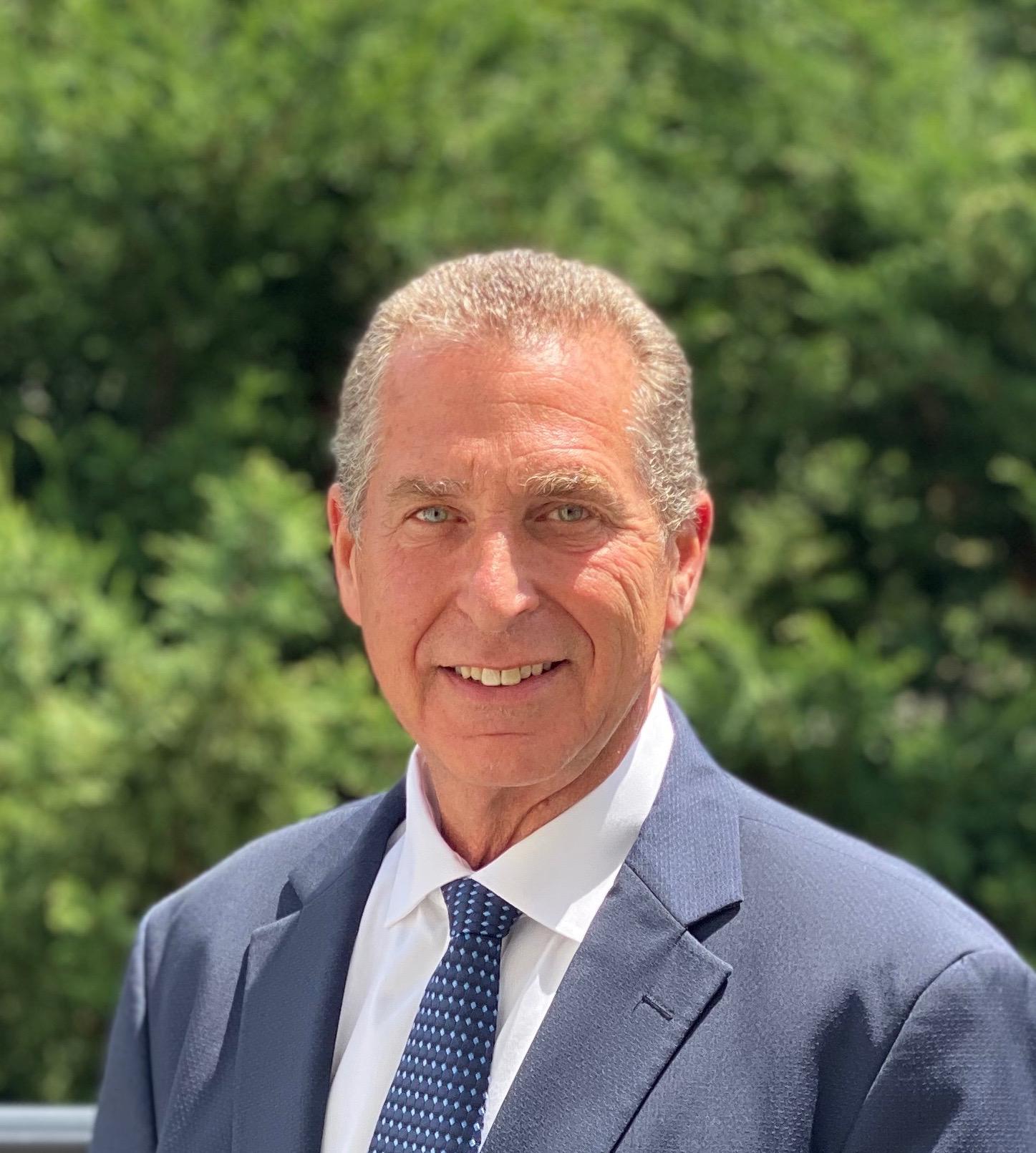
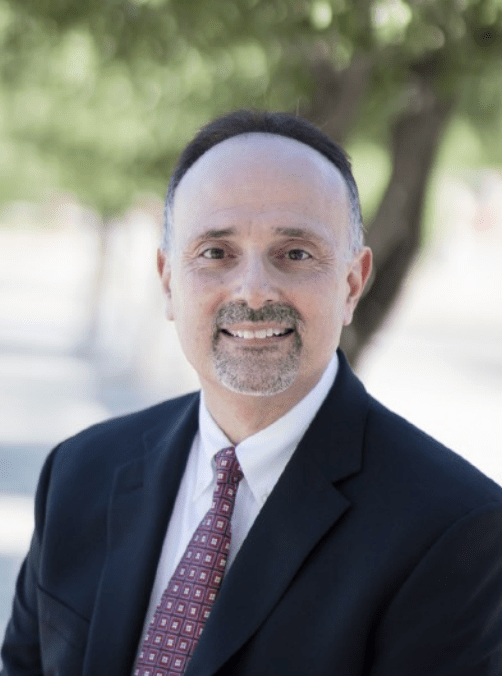
With over 30 years of experience as a board-certified pharmacist, clinical educator, professional speaker and published author, Tom Viola has earned his national and international reputation as the go-to specialist for making pharmacology practical and useful for all members of the dental team.
As the founder of Pharmacology Declassified, Tom provides valuable insight into the complex interplay between pharmacology and physiology so that clinicians may be knowledgeable about the dental considerations of general medicine and the medical considerations of general dentistry.
As an educator, Tom is a member of the faculty of over 10 dental professional degree programs and has received several awards for outstanding teacher of the year.
As an author, Tom is well known for his contributions to several professional journals and pharmacology textbooks and currently serves as a consultant to the American Dental Association’s Council on Scientific Affairs.
As a speaker, Tom has been recognized by many industry organizations and associations as a leader in continuing dental education and has presented over 1000 informative and engaging seminars and webinars to dental professionals since 2001.
FEATURED SEMINARS