When you hear the word occlusion, what do you think about? Teeth coming together, TMD (temporomandibular disorders), a philosophy(s), or are you just plain confused? Unfortunately, many of our colleagues are unclear as to what occlusion means to them or more importantly, what it means for their patients. What might appear at first to be a complex topic, especially with the abundance of apparently conflicting theories and treatments, once simplified to the essential elements, is in reality, fairly straight forward.
Course Content
This Program outlines an evidenced-based practical approach to the understanding and implementation of occlusal therapy in everyday practice. Whether a general practitioner, dental specialist (endodontist, oral surgeon, orofacial pain practitioner, orthodontist, periodontist, prosthodontist), or dental technician, occlusal therapy sooner or later will apply clinically as dental practitioners facilitate stomatognathic stability. An understanding of occlusal therapy will enhance all aspects of dental practitioner practice for the benefit of all the stakeholders. By the end of the Program, basic occlusal therapy will become enhanced for the participant’s treatment genre, providing patients with an incredible service that is cost effective, efficacious, and exciting to do.
Learning Objectives
Evidence-based dentistry: what it is and is not
Occlusion for:
basic/major restorative dentistry
fixed/removable prosthodontics
implant therapy
orthodontics
periodontics
Occlusal stabilization:
facially generated treatment planning
CR: where, when, who’s?
Myocentric as a treatment position
vertical dimension assessment
envelope of function evaluation and maintenance
smile design
practical dental anatomy
restorative and prosthodontic material selection
occlusal equilibration: protocols and end points
Articulator/Imaging use: when, what, how?
Occlusion and TMD: is there a link?
Orthotics: predictable usage
ABOUT THE INSTRUCTOR
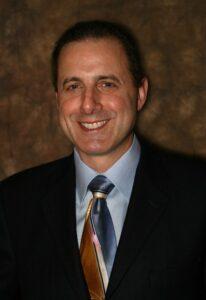
Dr. Racich, a graduate from University of British Columbia, has a general dental practice emphasizing comprehensive restorative dentistry, prosthodontics and TMD/ orofacial pain. Dr. Racich is a member of many professional organizations and has lectured nationally and internationally on subjects relating to patient comfort, function and appearance. He is a Fellow of the Academy of General Dentistry and the American College of Dentists as well as a Diplomate of the American Board of Orofacial Pain and the International Congress of Oral Implantologists.
Dr. Racich has published in peer-reviewed scientific journals such as the Journal of Prosthetic Dentistry and the International Journal of Periodontics and Restorative Dentistry and has authored the books: The Basic Rules of Oral Rehabilitation (2010), The Basic Rules of Occlusion (2012), The Basic Rules of Facially Generated Treatment Planning (2013), and The Basic Rules of Being a Dental Patient (2016). Currently he mentors the didactic/clinical FOCUS Dental Education Continuum (study clubs, coaching, 2nd opinions only).